So... you're Creative Director of one of the nation’s most esteemed regional theater companies, with a brand-new branding system crafted by one of the country’s most renowned designers, and your task is to help bring the organization back to life in a post-pandemic and an increasingly arts-hostile world. Monumental challenge. What happens now?
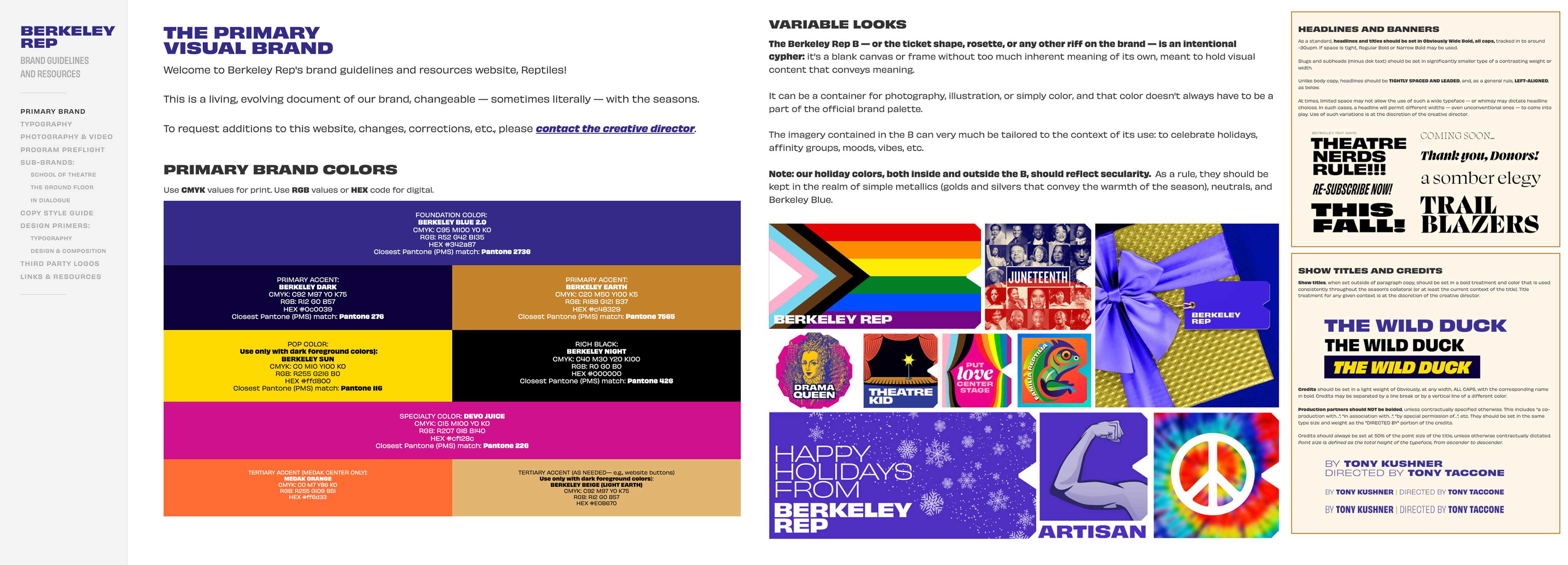
Evolving the brand…
Before I came on board at Berkeley Rep, the previous Creative Director, during the COVID pandemic, had the company rebranded by Paula Scher at Pentagram, arguably the most influential brand designer and agency in the nation. How do you touch on that, much less improve it?
The fact is that effecting the brand shift during the pandemic, amidst the theater’s closure, staff reductions, and leadership changes, may not have been the most strategic decision, and Pentagram may not have been given the most comprehensive brief. The brand system I inherited was exceptional, but it did not align with Berkeley Rep’s unique identity or the operational needs required by its audiences. Our vibrant artistic work was stagnating in a world dominated by dull indigo, a color that failed to translate effectively into the low-cost CMYK printing we relied on.
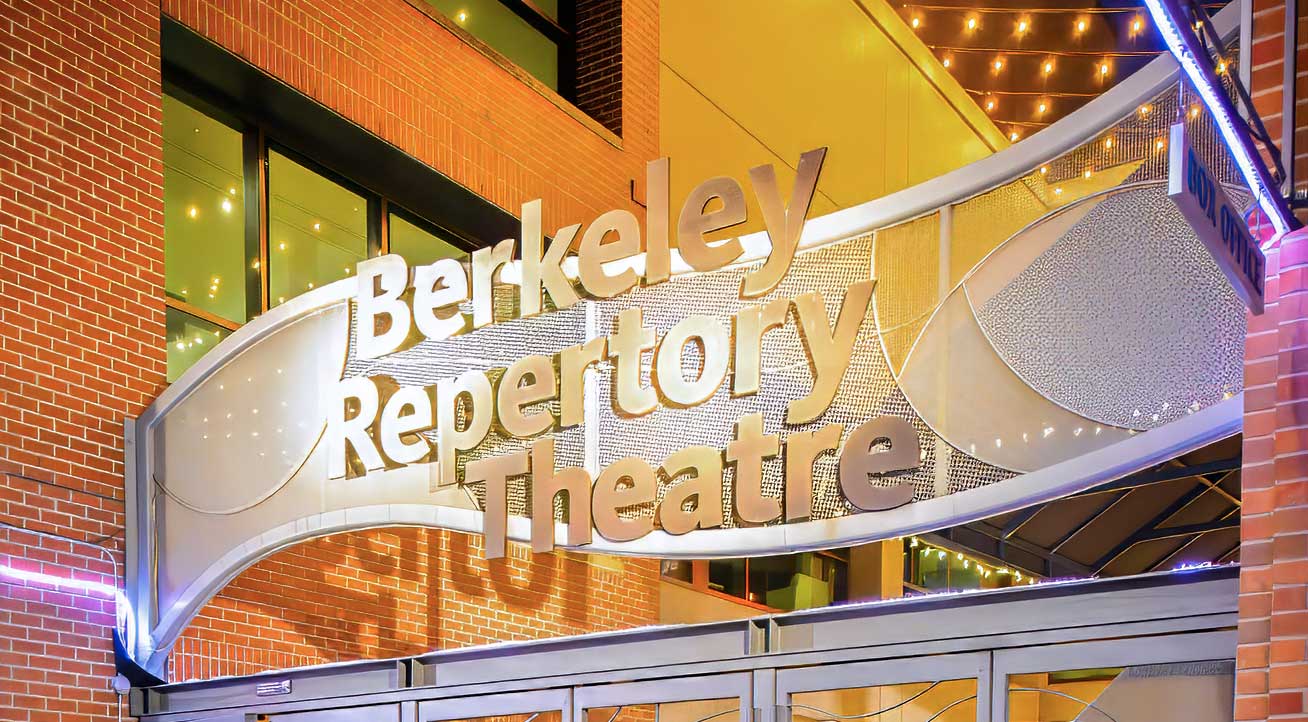
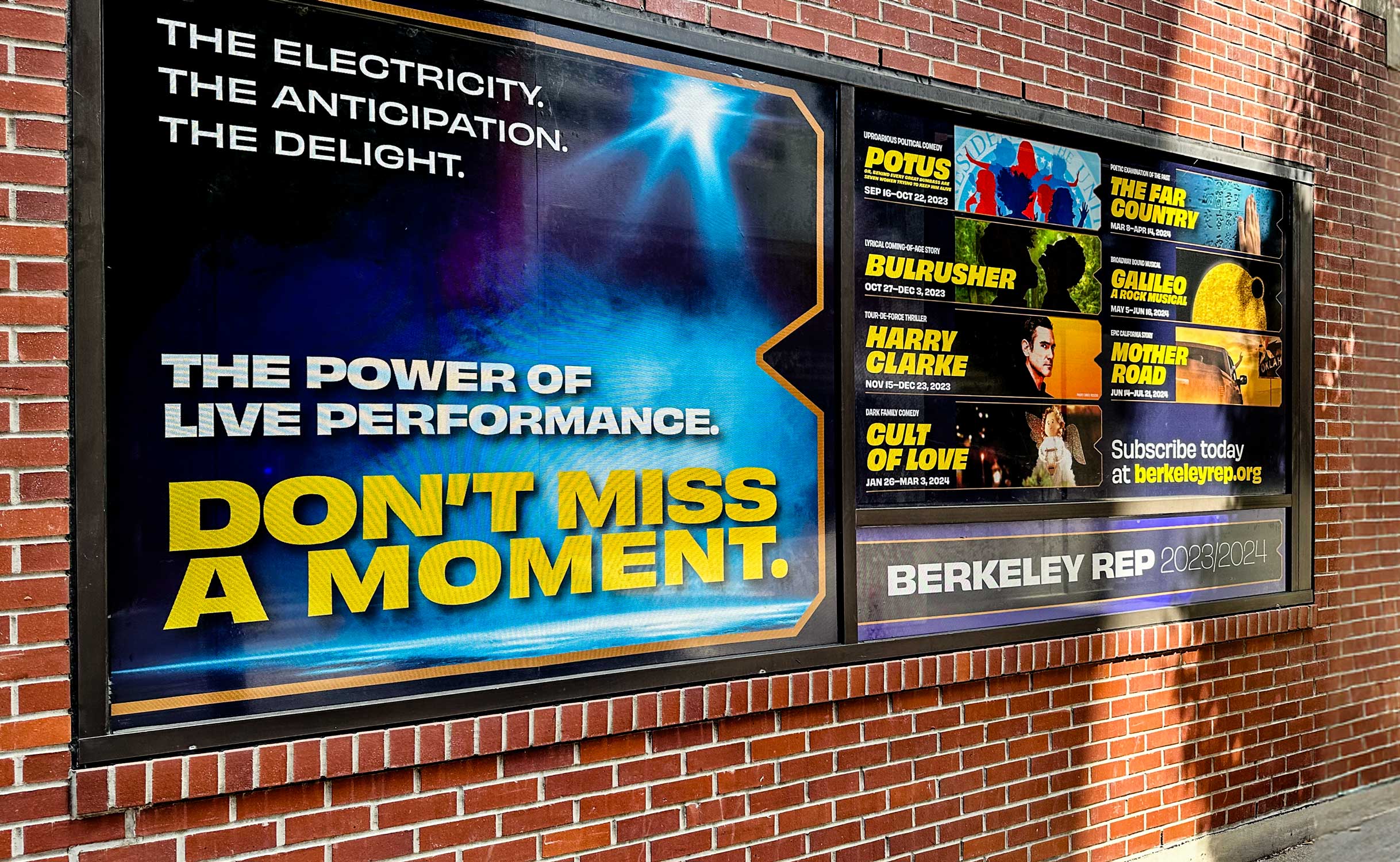
Signage & Collateral
Bringing the Rep back to life…
Emerging from the pandemic, I had the opportunity to revitalize Berkeley Rep’s visual messaging by focusing on a core of vibrancy that would propel the brand forward while honoring its established structure. Simultaneously, I spearheaded the development of a comprehensive marketing team that would enable the theater to flourish and thrive once again.
I revamped the brand colors to create a more nuanced system for hierarchical purposes, incorporating gradations in tone and complementary colors that infused warmth into the design, as well as establishing contrast ratio guidelines that supported accessibility.
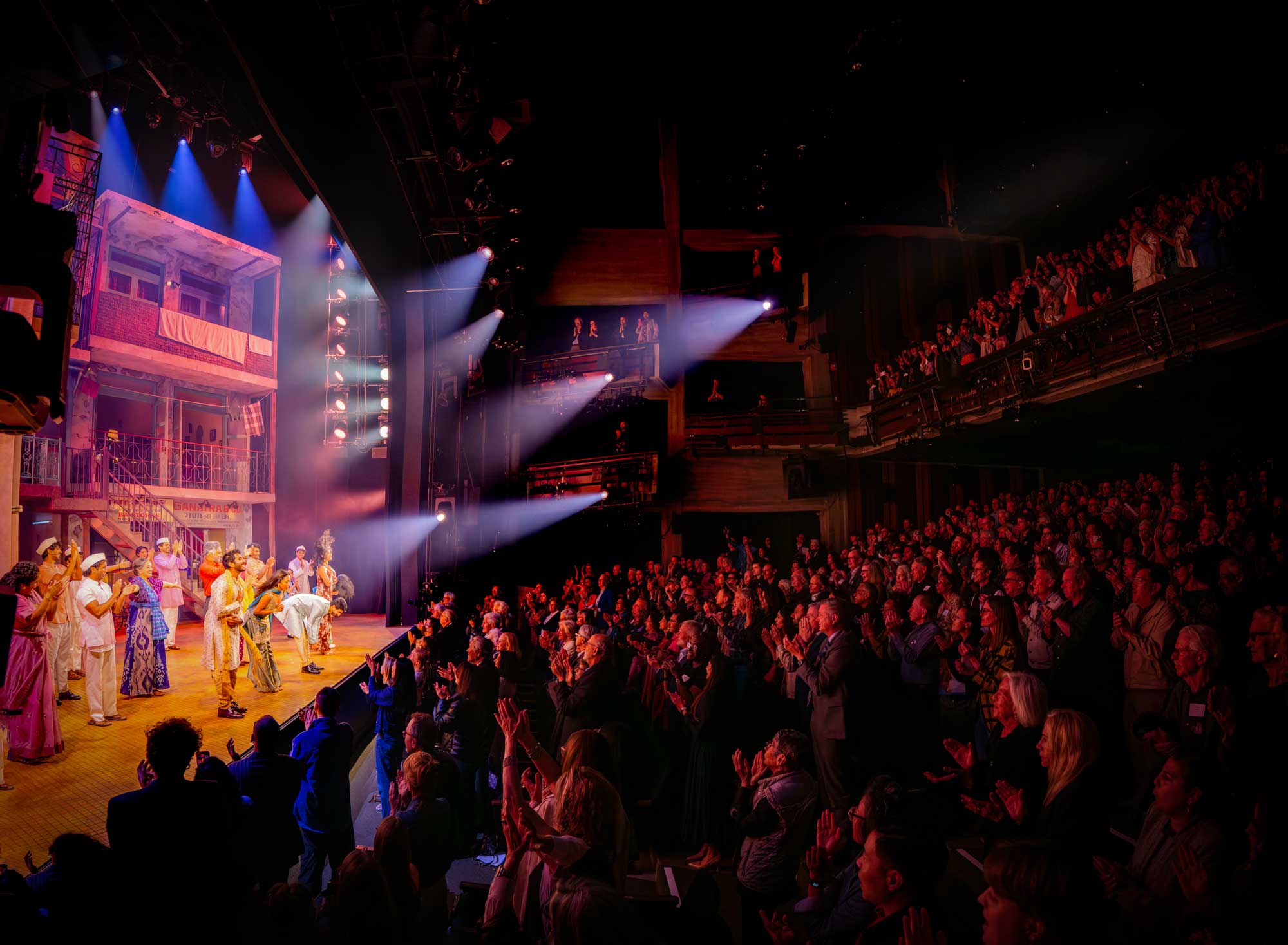
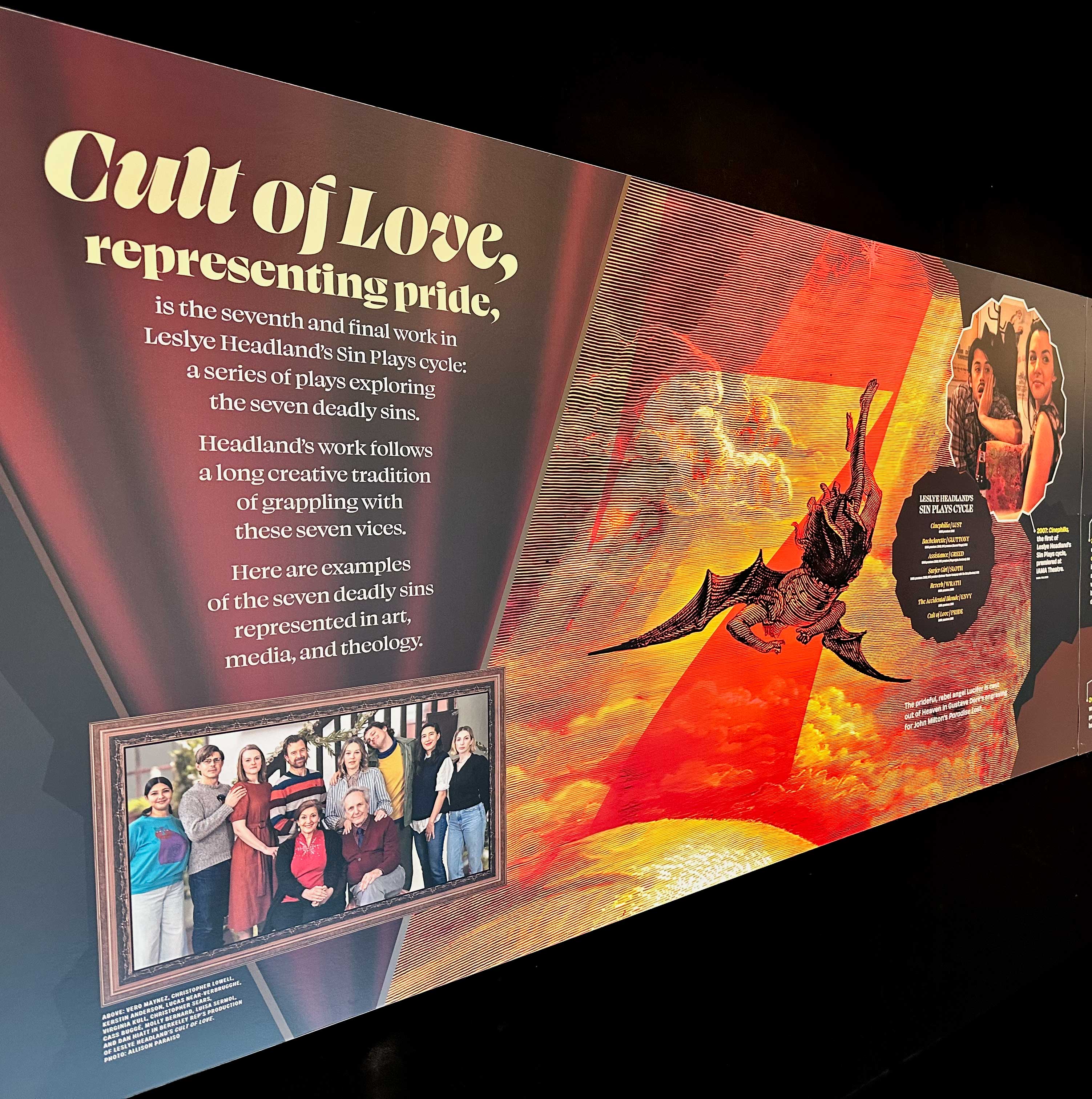
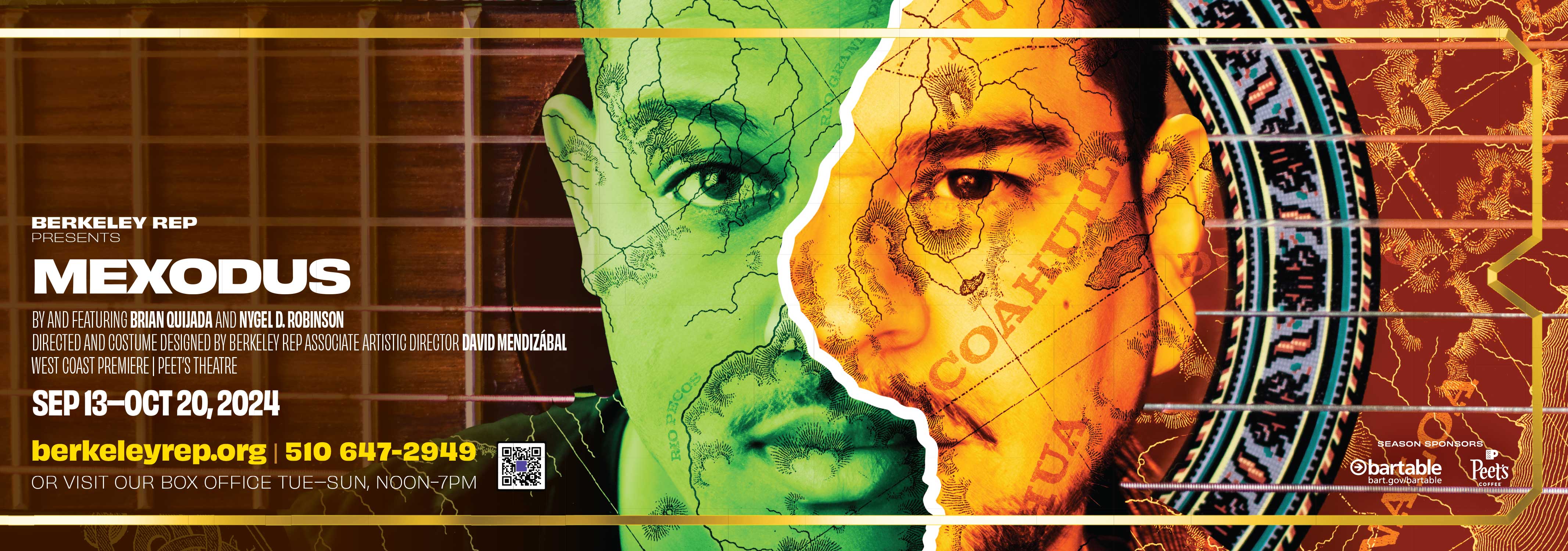
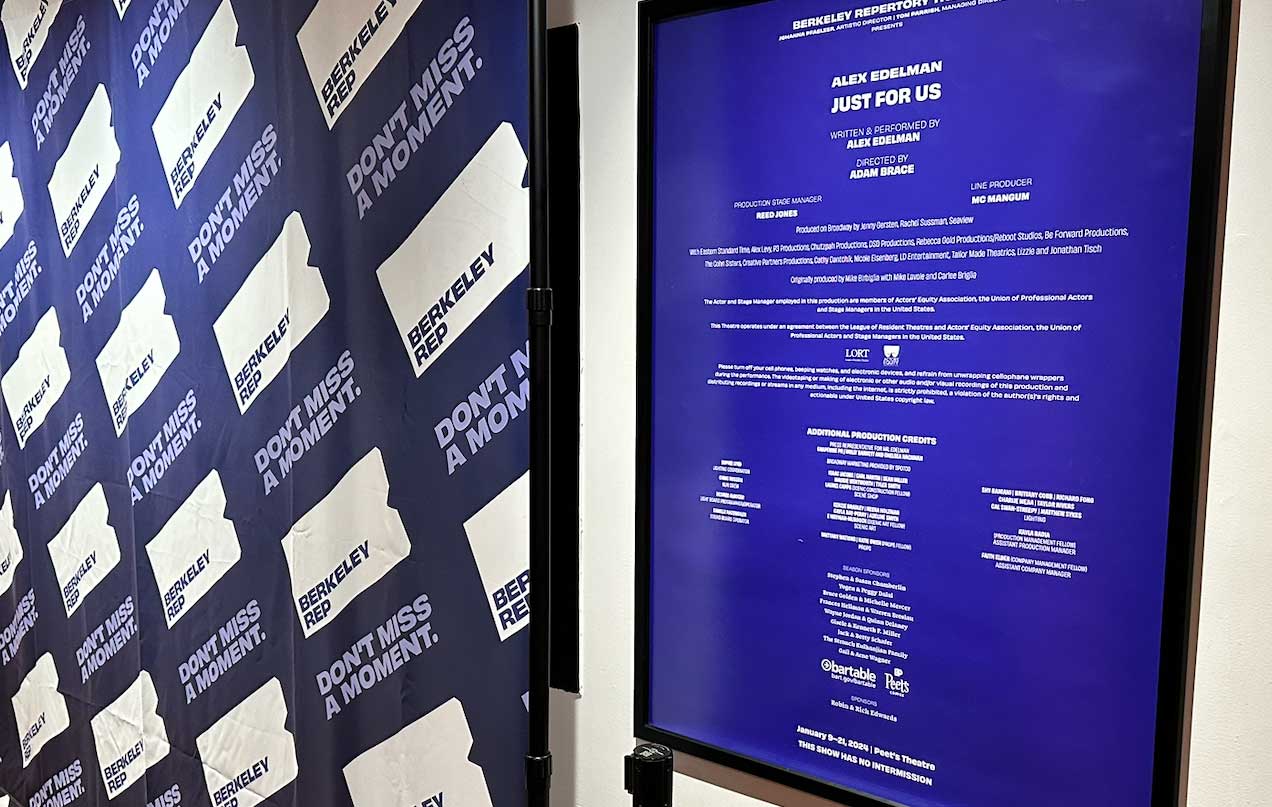
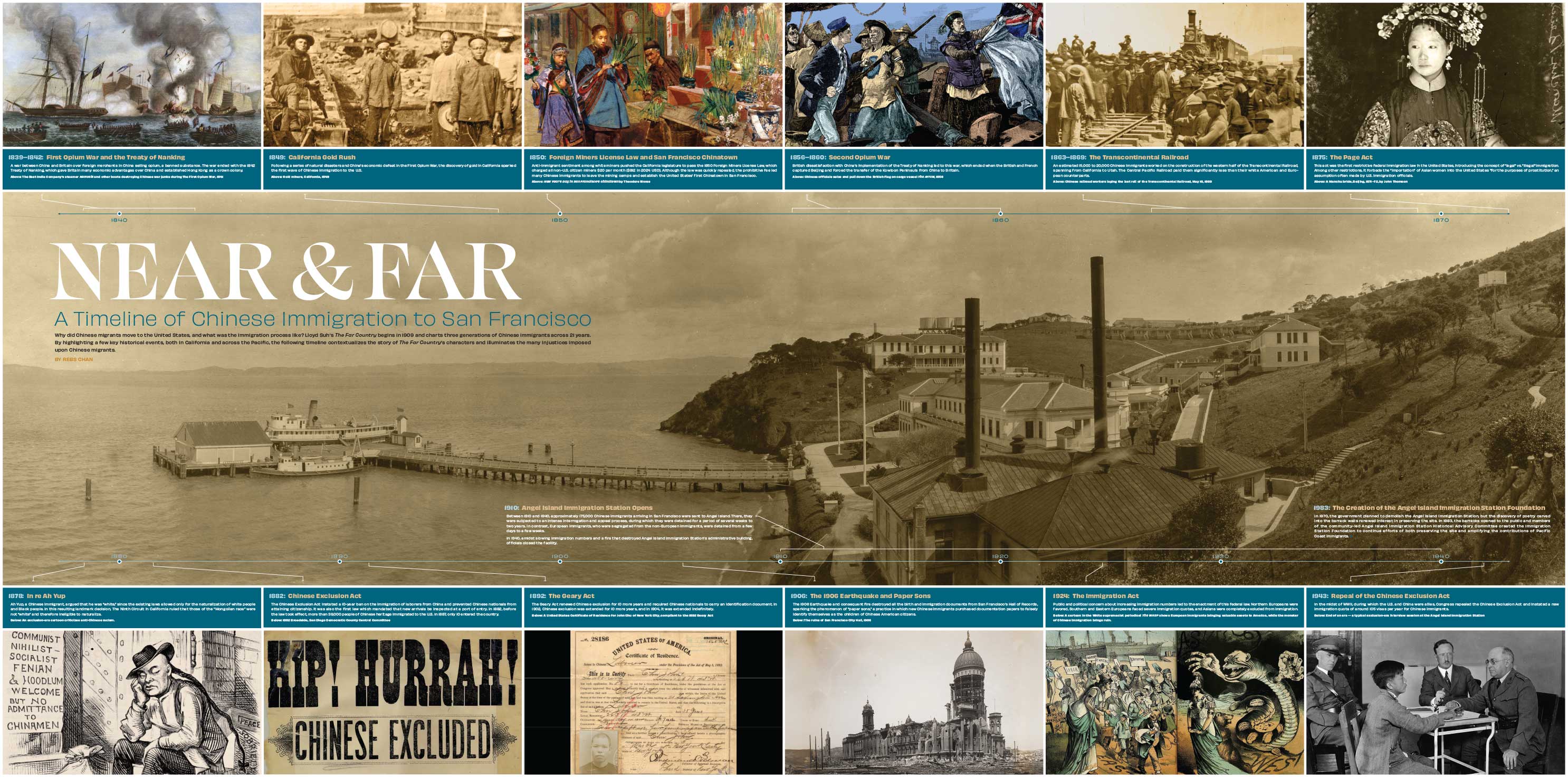
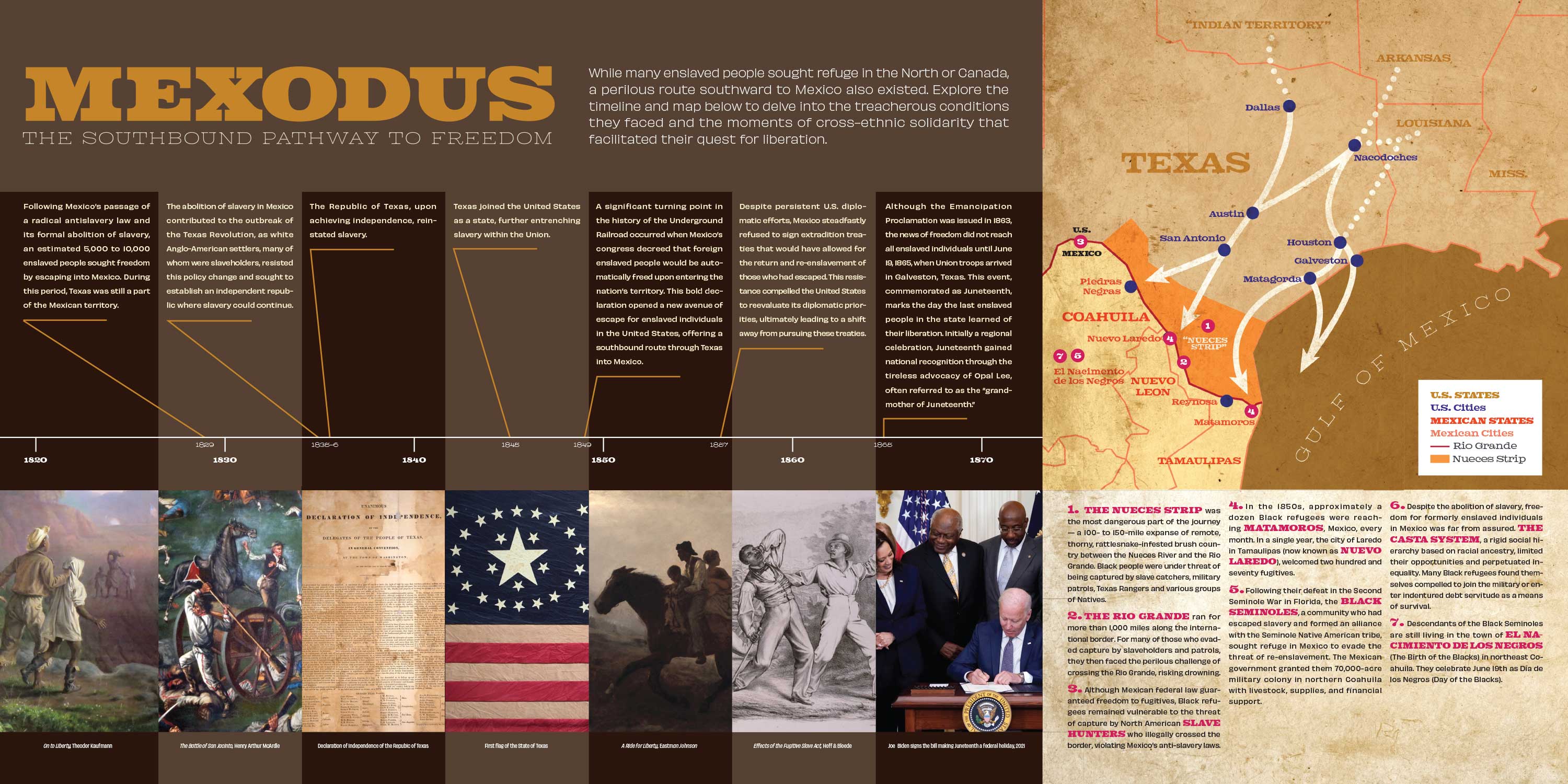
I began creating brand-centered key art that was arresting, appealing, and bursting with energy. I recreated the signage and art in the two-theatre complex that made it both functional and welcoming, and created lobby displays, didactics, programs and photo ops that drew people into the world of the plays.
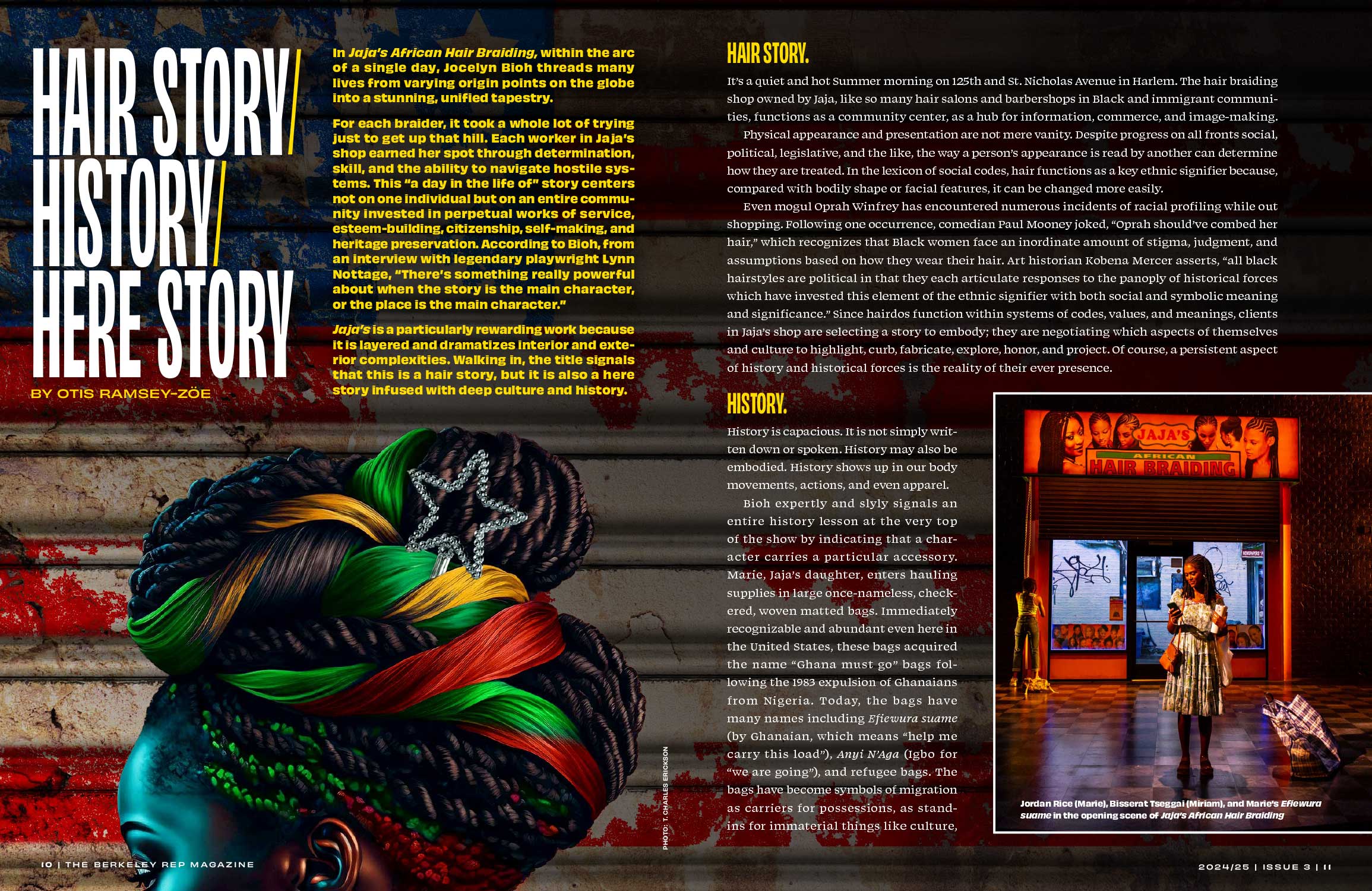
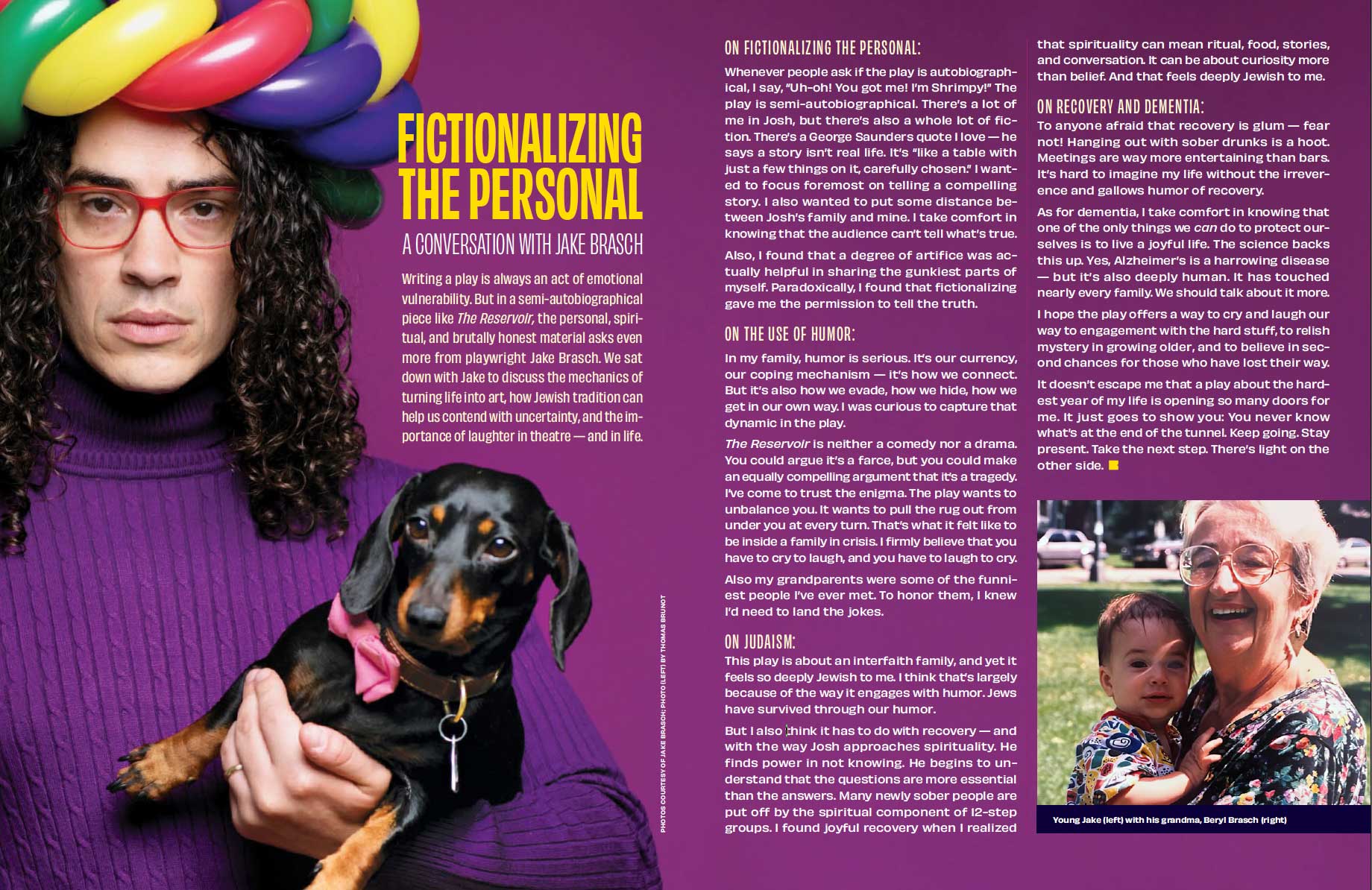
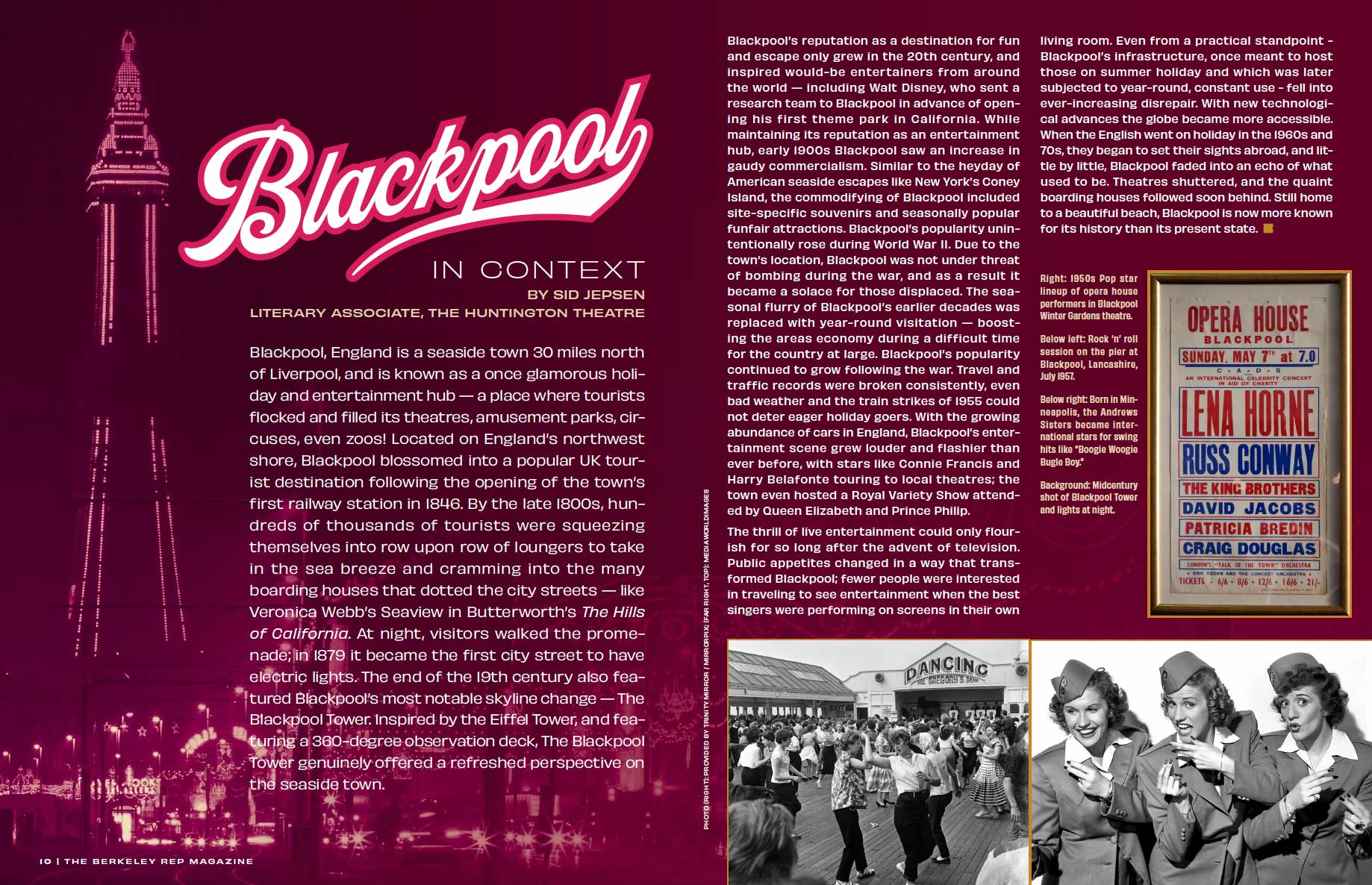
On top of all that, our print programs returned after years of being digital-only. Berkeley Rep’s programs are full magazines, with a feature well of 6-10 pages, plus a very robust service section. It’s a full editorial timeline.
Lobby Displays
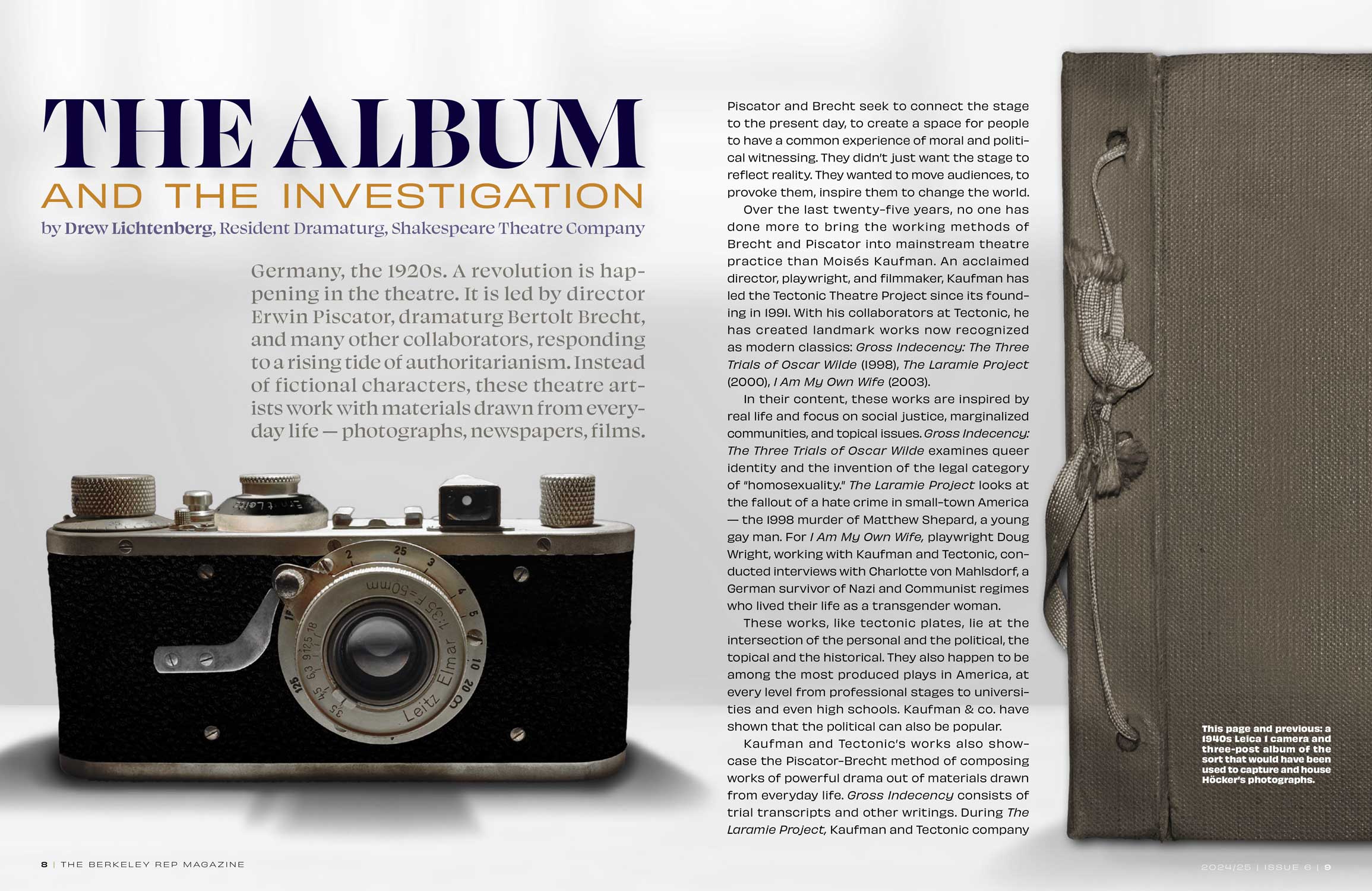
Program Features
Takeaway:
The audience is everything.
Ultimately, the theatrical experience is about its audience. Usually, the audience has come to hear you, but my job was to hear them.
Berkeley Rep’s playwrights and directors are the top theatre artists in the country. It has been an enormous part of my job to balance the needs of their work (art representative of their vision) with the needs of our audience (inviting and navigable collateral, signage, and spaces). And this has all had to happen while we continue to evolve the brand for growth.
Life at Berkeley Rep is relentless, but the work on stage is superlative, which makes it worth the blood and sweat. It’s been tremendously successful. Our seasonal sales goals have all surpassed their targets, our subscriber base has increased by 50% since the end of the pandemic, and the response to the art from the creators themselves has been most gratifying of all.